The Sights and Sounds of Spring
By Nick Carter, Marketing and Communications Volunteer
After the long, snowy silence of winter in Alberta, spring comes as a welcome relief to many. It’s a time of waking and arriving in the world of nature. This doesn’t happen all at once, but rather occurs over a stretch of months. If you get acquainted with the seasonal rhythms of nature, you can know when to expect the sights and sounds of spring.
The early days of spring throughout much of Alberta can often be pretty wintery still, but by late March species that spend the warmer months here already begin arriving. The familiar honking sound of Canada Geese streaming north return to us, though the waterfowl migration is just beginning. If the weather is decent enough and spring blizzards don’t hold them back, great flocks of Northern Pintails, one of our most elegant ducks, can be seen streaming north. You may also spot Mallards, Common Goldeneyes, and Common Mergansers on the rivers, but chances are at least a few of these never left for the winter, having stuck around wherever open water remained. The familiar calls of American Robins become a common sound again as well at this time.
Early spring all sees the gulls return to the province. By early April Ring-billed, California, and American Herring Gulls can be seen gathering in large flocks along open rivers or resting out on ice-covered lakes. Later in the month, as the lakes melt, the courtship calls of waterfowl fill the cool April air. Flocks of Common Goldeneye ducks crowd the open water, and it’s always a riot to watch the males put on their bizarre mating ritual of stretching out and throwing back their heads, accompanied by squawking calls that somehow woo the females. Alongside them are often the much more subtle Lesser Scaup and deceptively similar Greater Scaup, regal American Wigeons, and handsome Canvasbacks. Musical honking calls also herald the arrival of Trumpeter Swans, as well as arctic-bound Tundra Swans.
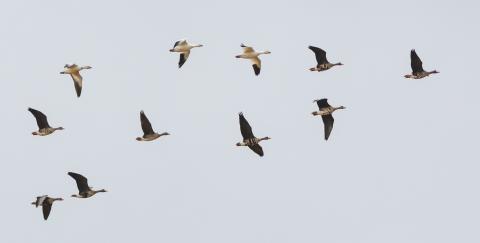
By the latter half of April more types of geese are making their way through Alberta. Watch flocks of Canada Geese closely for the smaller, stubbier Cackling Goose mixed among them. Around this time rest stops on major migration routes, known as ‘staging areas’, are practically covered in white by migrating Snow Geese numbering in the tens of thousands. They have a rarer ‘mini version’ of their own too, the Ross’s Goose. Not quite as numerous as Snow Geese but still out in force are the Greater White-fronted Geese with their plainer brown coat and black-barred belly. Enjoy these spectacles of nature while you can, for in a matter of days most of these geese will be far north of us.
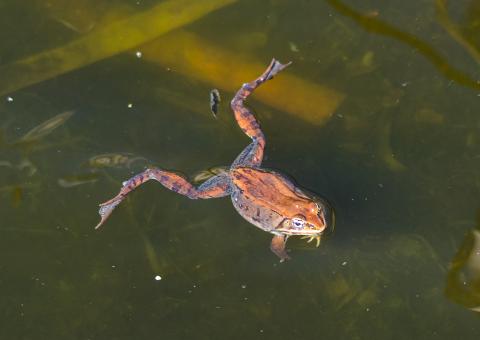
Warm late April days also bring out the smaller, cold-blooded things. Bugsters rejoice at the sight of early year butterflies like the Mourning Cloak and Milbert’s Tortoiseshell bringing a dash of colour to the brown spring landscape. Despite their delicate look, these tough butterflies hibernate all winter long as adults, emerge from their hiding places when conditions are right, and waste no time in fluttering around to attract mates. Around this time the marshes and ponds come alive with the throaty, clucking calls of wood frogs.
For big mammals April can be a hard month. Hoofed animals like deer, sheep, and bison have made it through the winter largely reliant on their fat reserves, as the winter forage is poorly nutritious. By mid spring they’re often thin and malnourished. Also around this time the worn-out winter coats begin to shed in matted wads, revealing the shorter, darker summer fur below. With their skinny build and tattered fur, it’s no wonder many people think springtime ungulates look concerningly unhealthy. Similar story for bears, which you might see wandering around looking for anything edible to recover the calories spent during hibernation.
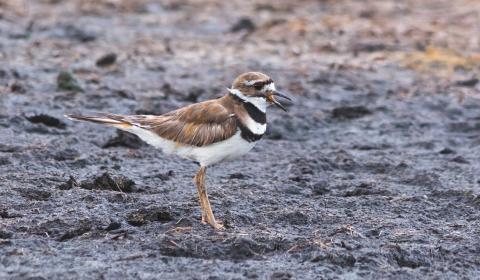
The end of April and into May brings the next wave of bird arrivals. Prairie mudflats and flooded fields are crawling with migrating sandpipers, plovers, and other shorebirds. Listen for the gull-like cries of Marbled Godwits, the “winnowing” of Wilson’s Snipes in the evening air, and the Killdeer calling out its name. The cattail marshes become hot real estate for Red-winged and Yellow-headed Blackbirds and Common Grackles, who announce their claims with their harsh, metallic calls. Summer resident songbirds like sparrows, Mountain Bluebirds, and Western Meadowlarks bring a sweeter array of sounds to the province.
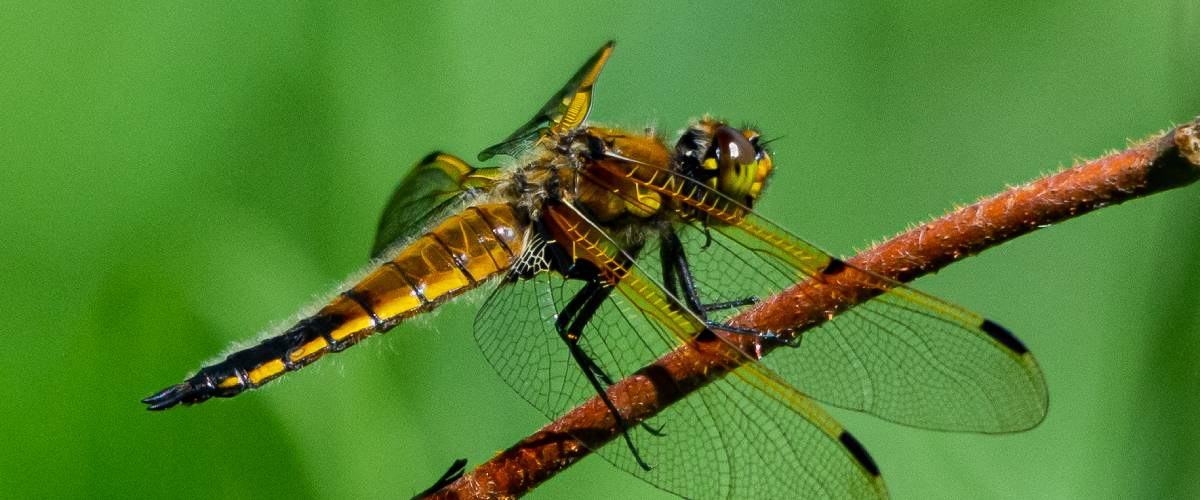
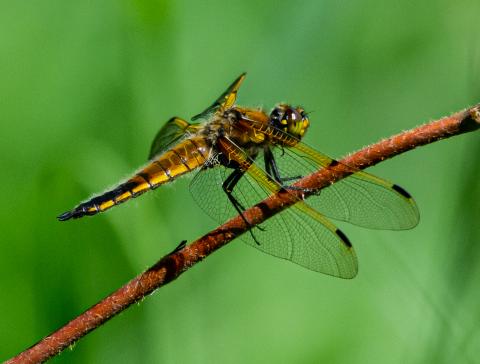
May is a glorious time for Alberta naturalists. Bird migration is in full swing as many different species arrive in droves. The lakes and wetlands sing with quacks of ducks, the hoarse cries of grebes, and wild howls of loons. Sparrows chirp and buzz in the forest undergrowth and prairie grasslands. Soaring hawks circle over the plains, and a dazzling array of warblers arrive, bringing vibrant colours and songs to the boreal forest. The warmer days bring out cold-blooded critters like toads, salamanders, snakes, and more. Wetlands buzz with the wingbeats of neon dragonflies and damselflies. Ever hear a loud, dry buzzing sound from a grove of poplar trees? That’s probably a cicada you’ve got, one of our most audible insects. Rattling noises from grass or under a rock in the southeast of the province indicate the presence of a Prairie Rattlesnake.
The seasonal cycles continue into June and the arrival of summer, and this is only a few examples of things that there are to experience in nature. It’s a real thrill to go out and experience the sights and sounds of spring for yourself. If you want to get more acquainted with this unfolding seasonal chorus, a stroll through RAM’s Natural History Gallery is a good place to start