For every living being on this planet, death is the greatest mystery of them all. The ways that we experience it, celebrate life, and wonder about what's next are part of what makes us human — yet it's also a subject we often push aside.
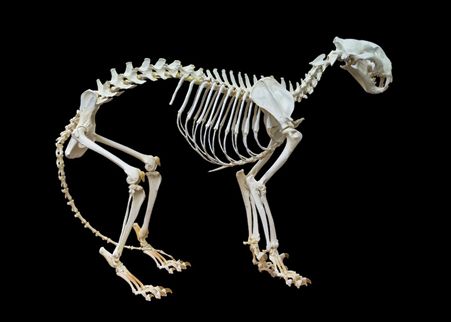
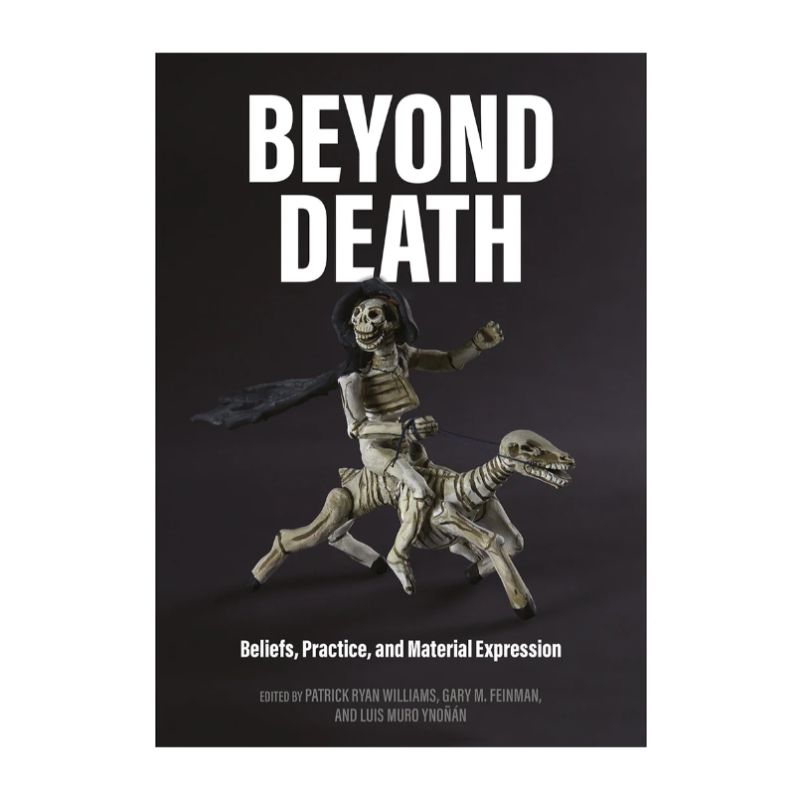
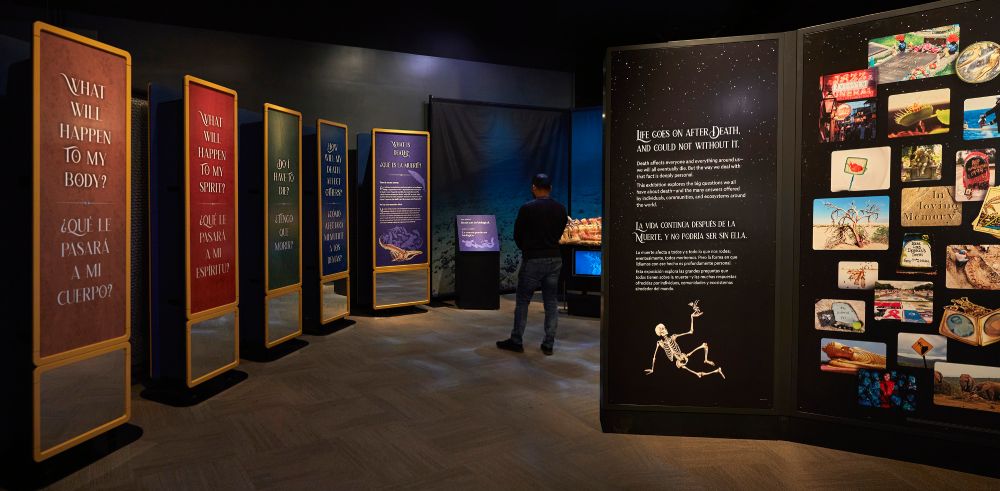
Originally from the Field Museum in Chicago, Death: Life's Greatest Mystery invites you to consider your own "big questions" about death as you explore natural and cultural responses to life's inevitable conclusion. Through artifacts, specimens, interactives, and immersive media experiences, you'll discover amazing animal adaptations used for survival and learn how various cultures commemorate life.
Visit Death: Life's Greatest Mystery at the Royal Alberta Museum from February 26 - September 7, 2026.
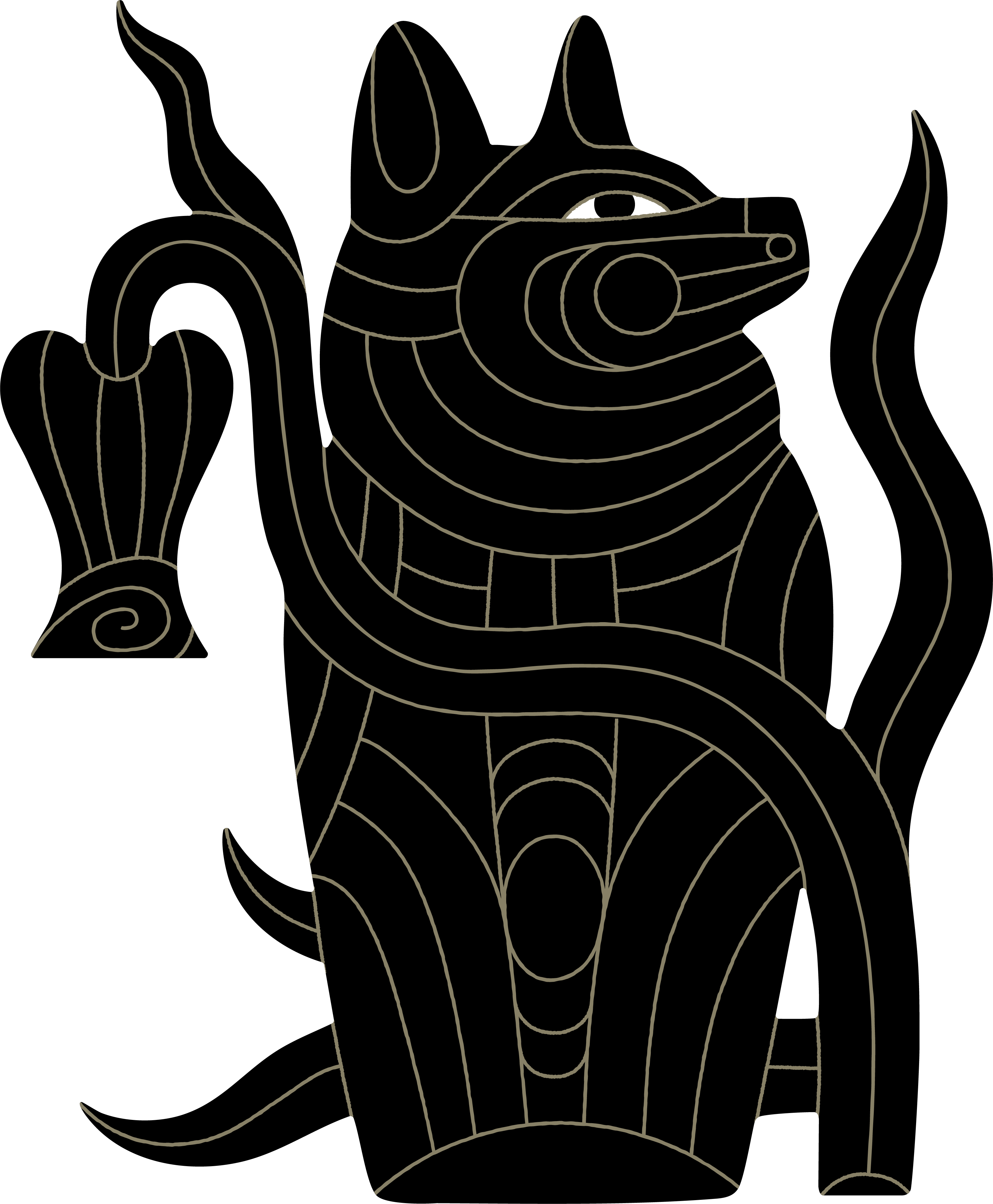
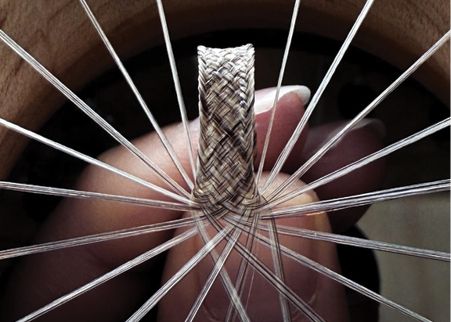
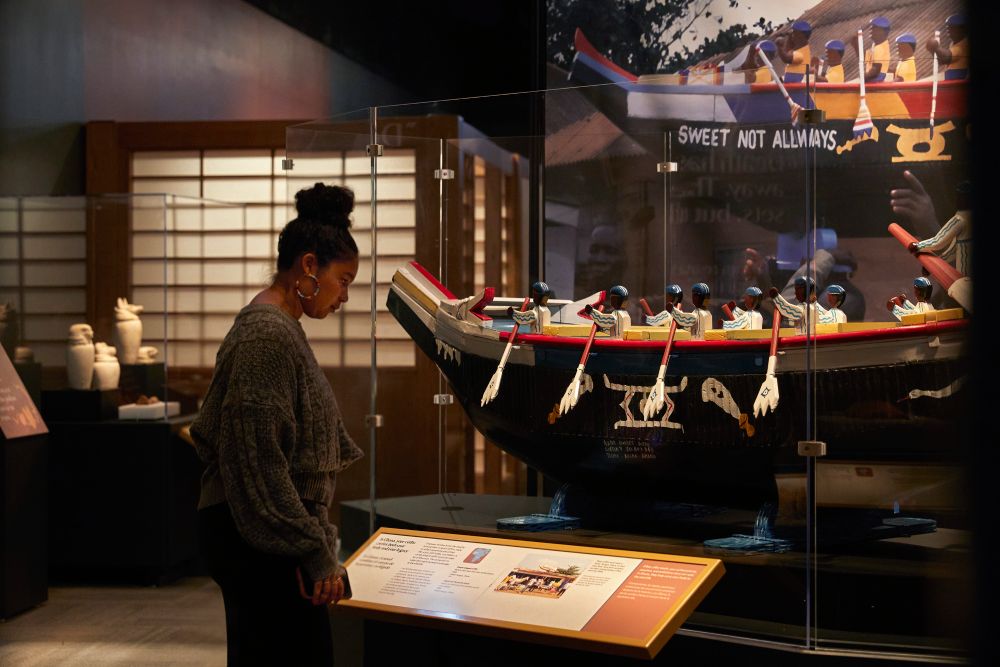
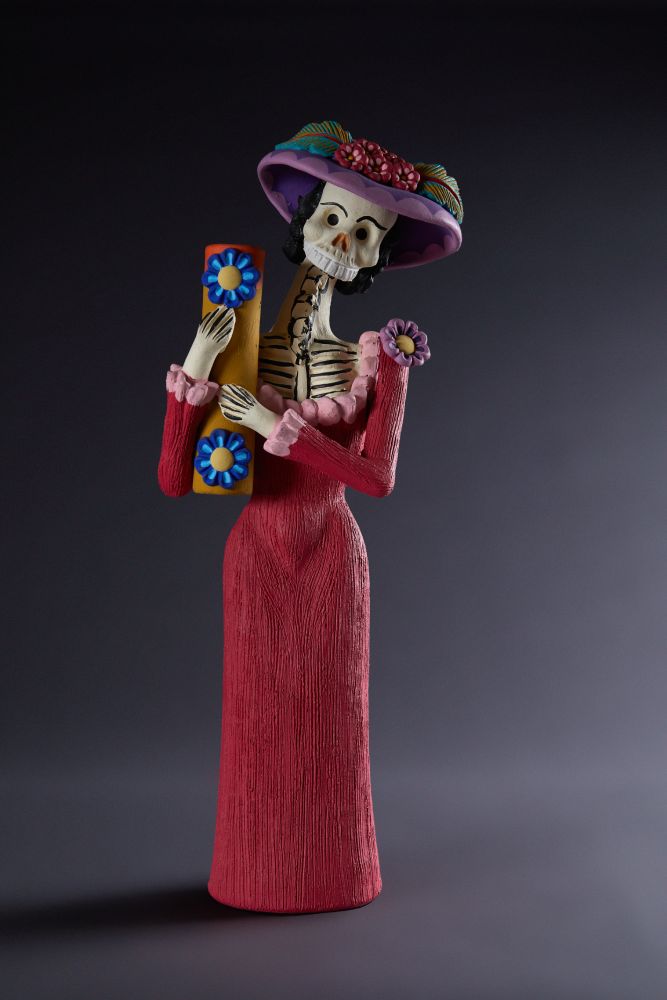
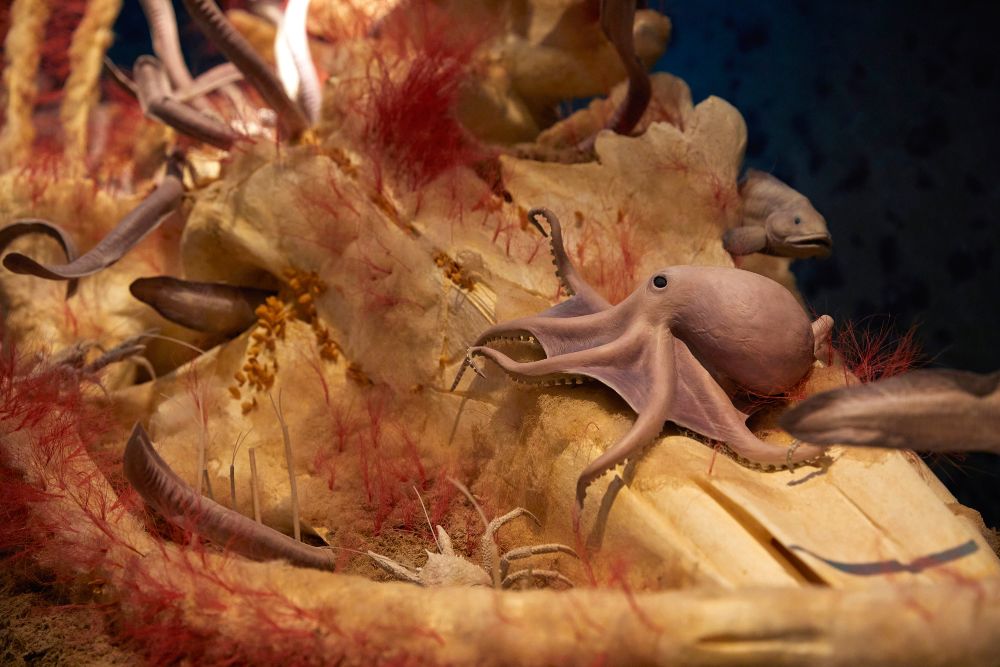
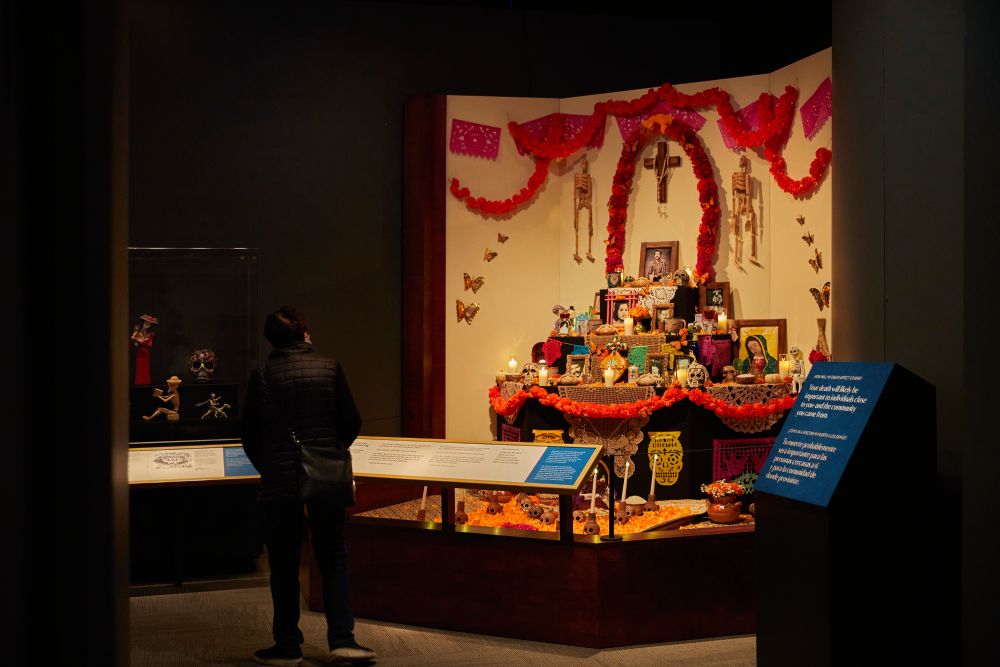
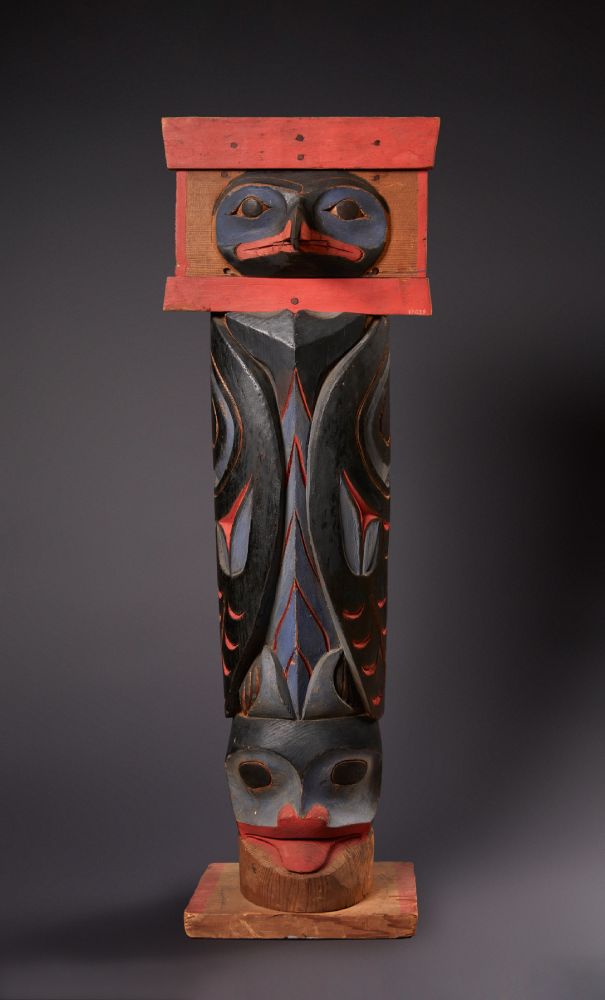
Discover more than 100 objects and specimens from the Field Museum’s Anthropology, Zoology, and Geology collections, plus a few extra items from the RAM collection. Highlights include:

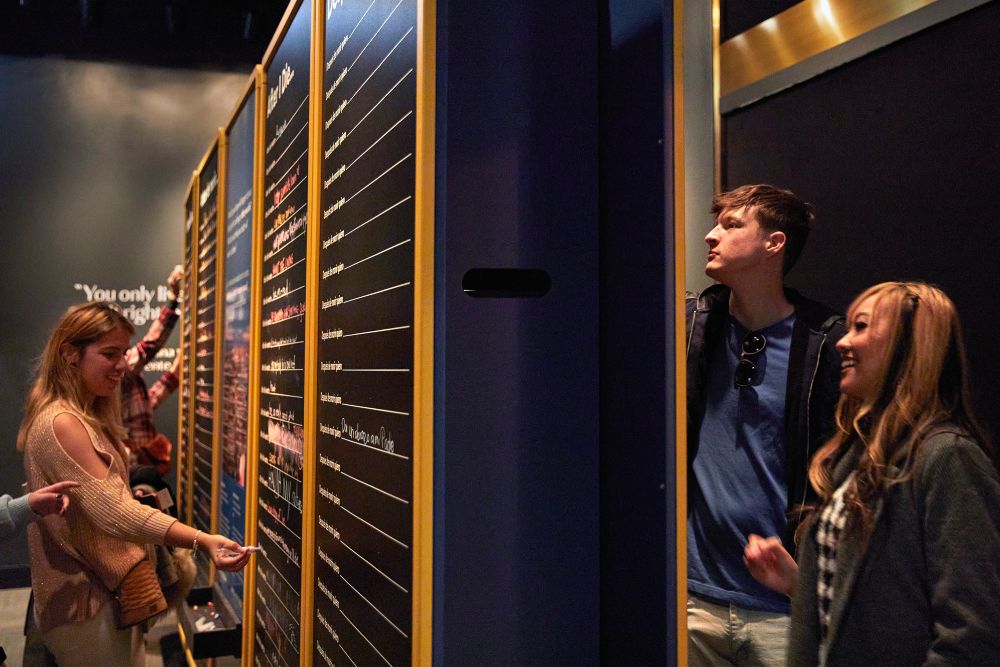
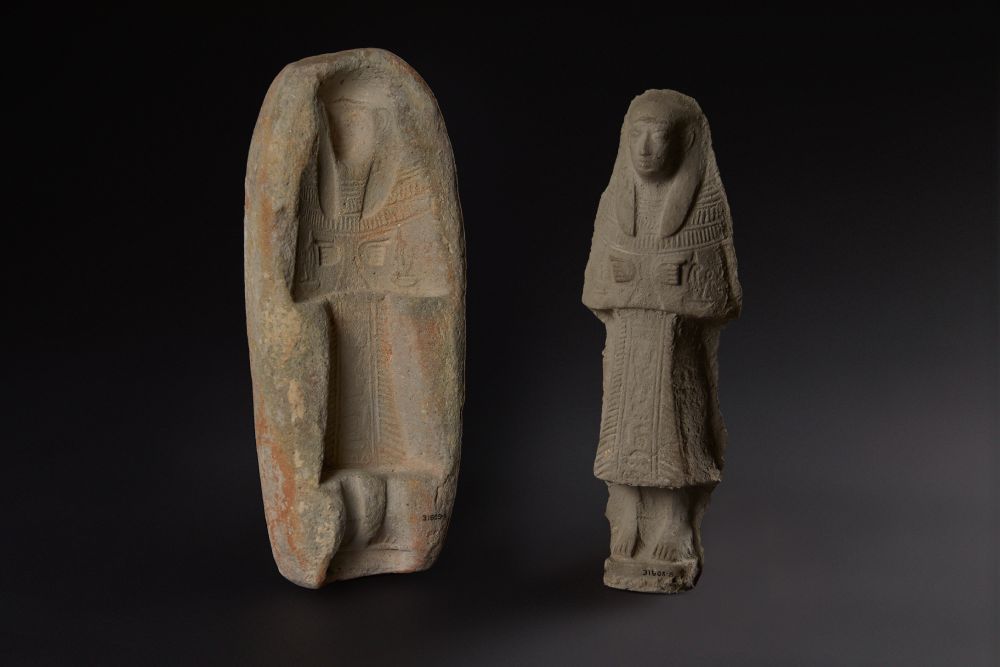
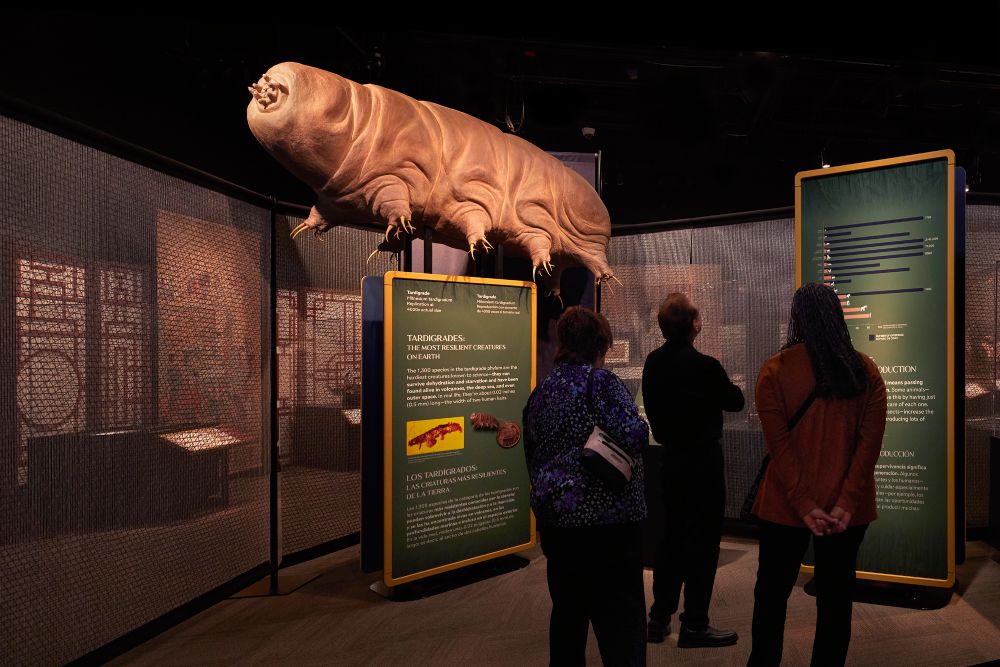
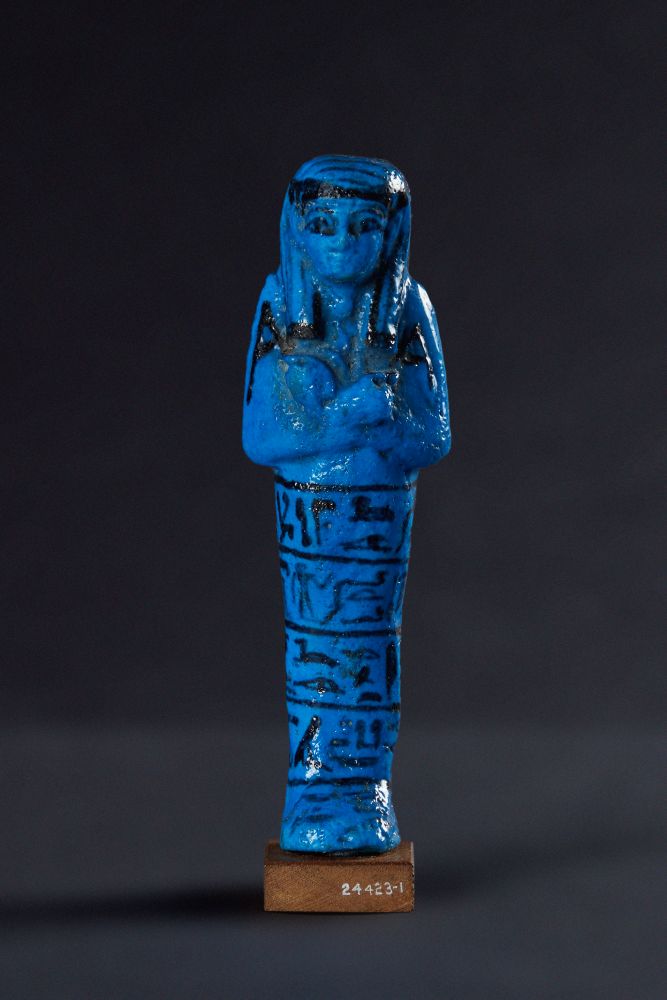
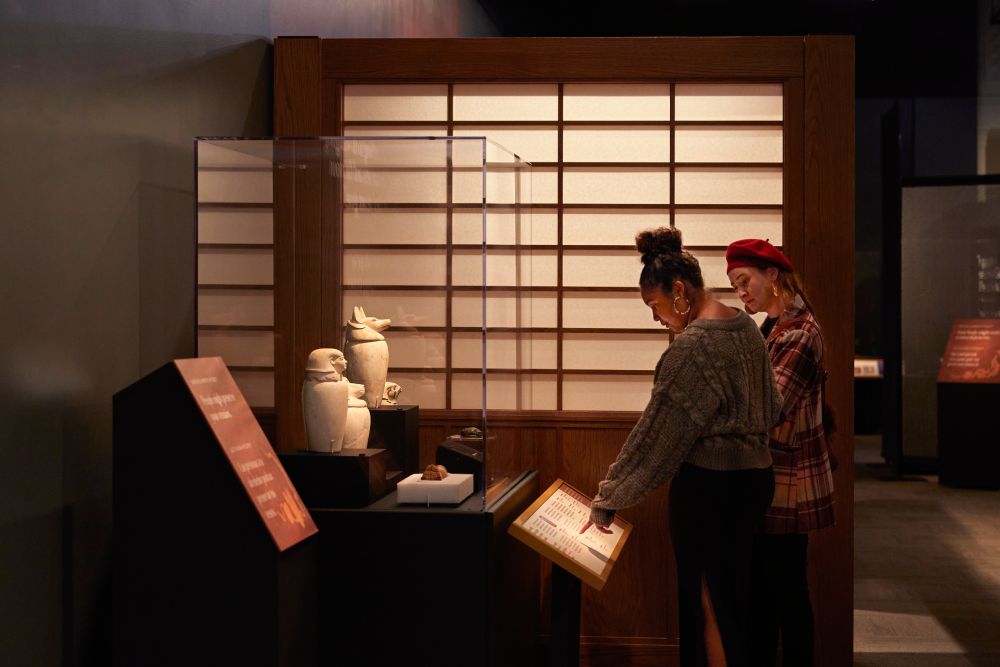

Reflect on death as part of the natural cycle of life and leave with a profound new understanding of life's most universal experience.
Entry to Death: Life's Greatest Mystery is included with your general admission or Mammoth Pass. See our Hours and Admission page for prices and more details.
Death: Life's Greatest Mystery is designed to be accessible for visitors of all ages, and includes some interactives, dioramas, and activities that our younger visitors will enjoy. We understand some visitors may feel uncertain about whether the Death: Life's Greatest Mystery exhibition is suitable for their children. The exhibition is intended to create a safe space to explore a variety of perspectives and practices around death, with the aim of softening this usually 'taboo' or uncomfortable subject.
However, this exhibition is an optional part of a RAM visit, and visitors are welcome to explore the rest of the museum's permanent and temporary exhibitions if they are not interested in exploring this feature exhibition.
We seek out feature exhibitions that showcase different perspectives and stories than what we can share in our permanent galleries. Death: Life's Greatest Mystery shares both natural and anthropological stories that extend beyond the scope of RAM's collections and galleries - for example, a Mexican ofrenda used in celebrations of Day of the Dead, a Ghanian fantasy coffin, or a diorama of a whale fall. The stories presented in Death: Life's Greatest Mystery help us share a greater diversity of the cultural and natural world with Albertans.
Absolutely! Scroll up to the Upcoming Events section on this page, or check our our What's On Calendar to see what we have planned. Stay tuned to RAM's social media channels or subscribe to our monthly e-newsletter to be the first to hear about news, events and more.
Cette exposition est offerte en anglais et en français.
This exhibition was organized by the Field Museum with major support provided by Lilly Endowment, Inc. and additional support from Alicia and Peter Pond.


Royal Alberta Museum
9810 103a Ave NW, Edmonton
AB T5J 0G2
We acknowledge that the museum sits on Treaty 6 territory, a traditional meeting grounds, gathering place, and travelling route of the Cree, Saulteaux (So-toe), Blackfoot, Métis, Dene (De-nay) and Nakota Sioux (Sue).
We acknowledge all the many First Nations, Métis, and Inuit whose footsteps have marked these lands for centuries. We honour the many generations of First Nations, Metis, and Inuit peoples who continue to call this land home, and whose strength and resiliency remain evident in the expression of diverse cultures, languages and traditions.
The Royal Alberta Museum expresses gratitude and respect for the land we use. We commit to advancing reconciliation, partnering with Indigenous peoples in our work, and creating culturally safe environments.
The user agrees to the terms & conditions set out in the disclaimer and copyright, and accepts the privacy policy.